The ionosphere and GNSS: why conditions can change
The ionosphere affects radio-signal propagation and can change the behavior of precise positioning.
A variable part of the signal path
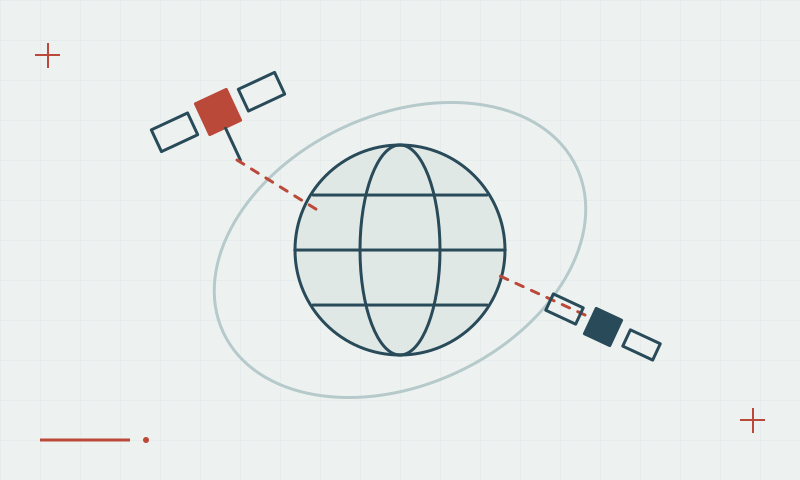
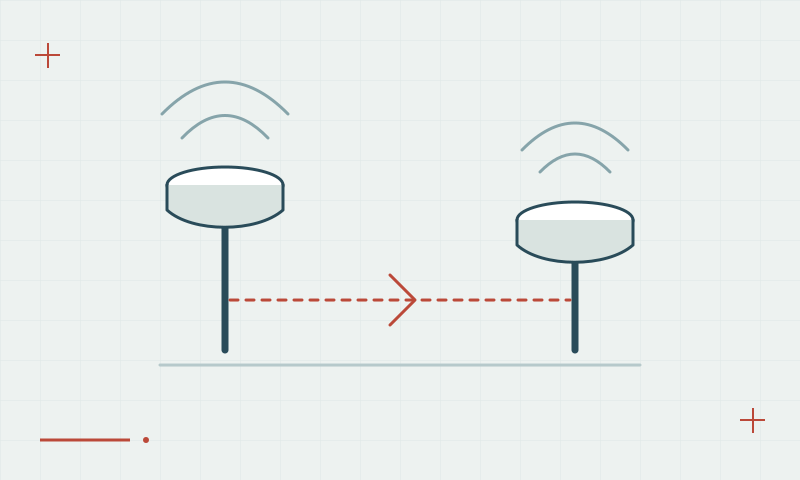
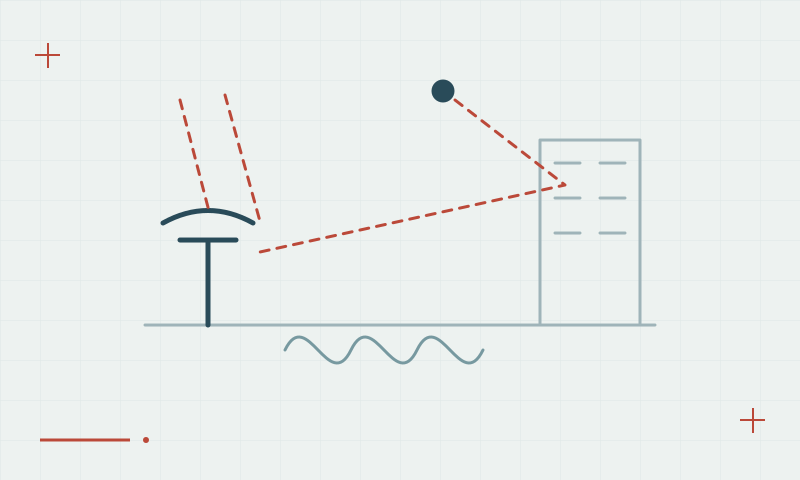
GNSS signals travel through the ionosphere before reaching a ground receiver. The effect depends on signal frequency and ionospheric conditions. Multi-frequency processing and correction methods help manage it, but the effectiveness of local error cancellation can vary with distance and changing conditions.
Continue learning Multi-frequency GNSS: beyond the L1 label
Recognize a regional problem
If several well-configured receivers struggle across otherwise clear sites, investigate wider conditions as well as equipment. Compare observations and available service notices, and retain raw data where supported. Do not explain every difficult initialization as an ionospheric event without first checking corrections, antenna setup and local obstructions.
Continue learning Baseline length: why distance from the reference matters
Practical checklist
- Check local setup and corrections before assigning a cause.
- Compare behavior across receivers and clear locations.
- Retain logs for later technical review.
Plan your GNSS setup
Compare the EQ10 and EQ20 receiver specifications, then discuss the configuration and support your project needs.
Compare GNSS receivers