Why multi-constellation GNSS matters
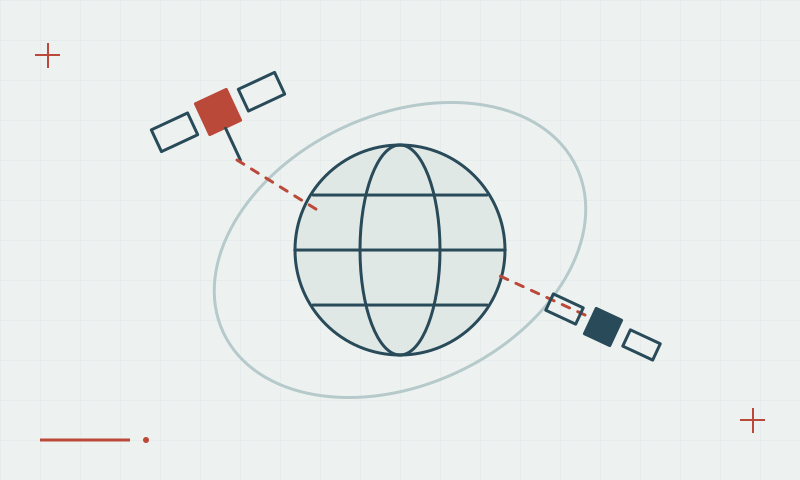
More constellations can improve observation availability, especially where part of the sky is obstructed.
Availability is the main benefit
A multi-constellation receiver can use compatible signals from GPS, Galileo, BeiDou and GLONASS. Satellites occupy different positions in the sky, so additional systems can help retain useful observations when some directions are blocked. Tracking support depends on the receiver, antenna, firmware and enabled signal combinations.
Continue learning GNSS vs GPS: what surveyors need to know
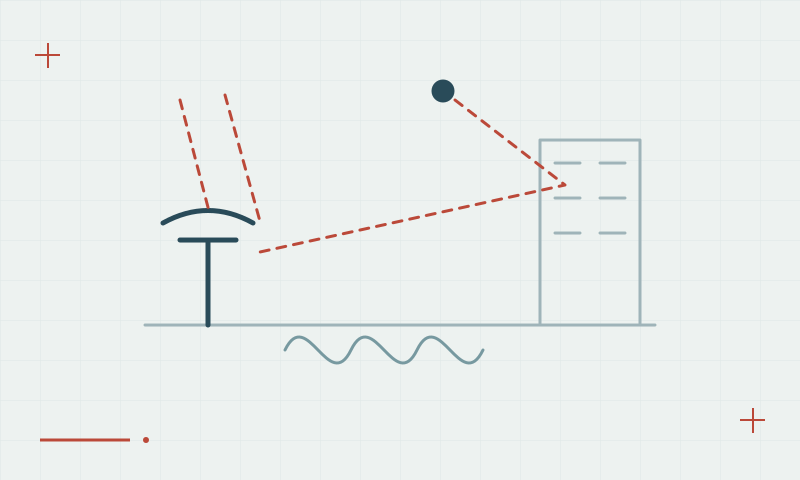
More satellites do not remove every error
Reflected signals and a poor survey setup can still damage a solution containing many satellites. Review geometry and observation quality alongside satellite numbers. When using RTK, confirm that the correction stream includes observations compatible with the systems your rover uses.
Continue learning Multi-frequency GNSS: beyond the L1 label
Practical checklist
- Check signal support in the current receiver specification.
- Compare geometry and signal quality with satellite count.
- Confirm constellation compatibility with the correction provider.
Plan your GNSS setup
Compare the EQ10 and EQ20 receiver specifications, then discuss the configuration and support your project needs.
Compare GNSS receivers