Choosing a suitable GNSS base station site
A base location should support stable mounting, useful sky visibility and reliable communication.
The reference receiver needs clean observations
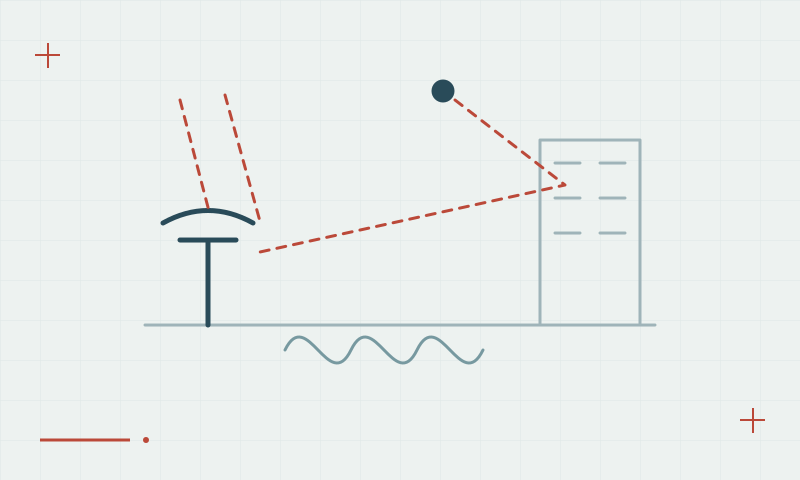
Choose a secure position with a stable support and a broad view of the sky. Nearby reflective surfaces, trees and structures can affect measurements. A location convenient for a vehicle or radio link may still be poor for satellite tracking, so assess the observation environment before committing to the site.
Continue learning Base and rover setup: getting the relationship right
Balance access, geometry and communications
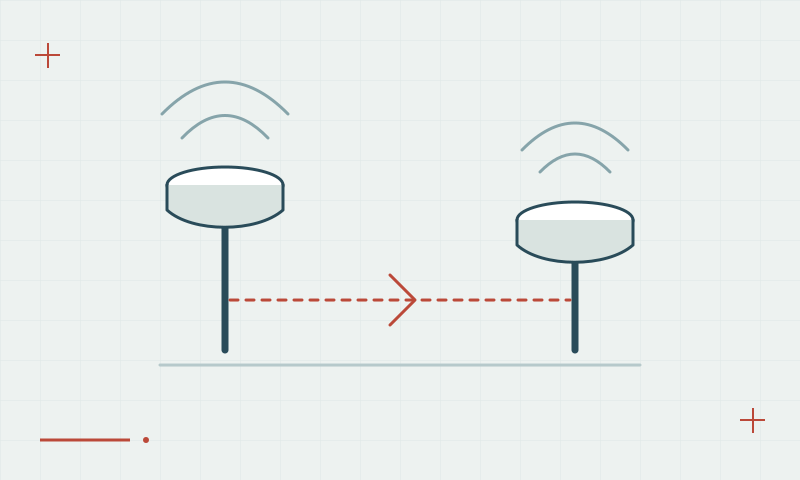
Verify the mark and coordinates, secure the antenna support and check the correction path across the intended work area. Document the surroundings and any limitations. A better base site can improve repeatability, but it does not remove the need for rover checks at difficult measurement points.
Continue learning Multipath: when GNSS signals take an indirect route
Practical checklist
- Inspect sky view and nearby reflective surfaces.
- Verify the coordinate source and support stability.
- Test the correction link over the planned work area.
Plan your GNSS setup
Compare the EQ10 and EQ20 receiver specifications, then discuss the configuration and support your project needs.
Compare GNSS receivers