PPP vs RTK: different routes to precise GNSS
Precise Point Positioning and RTK use different correction and estimation strategies.
Local reference data versus precise products
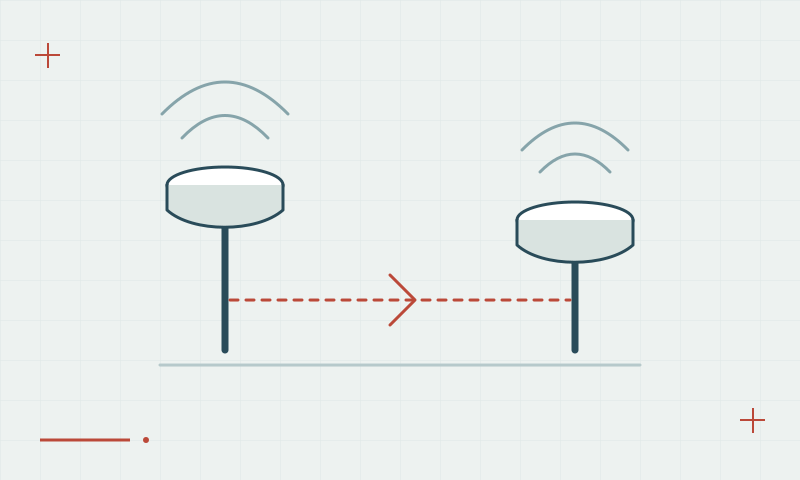
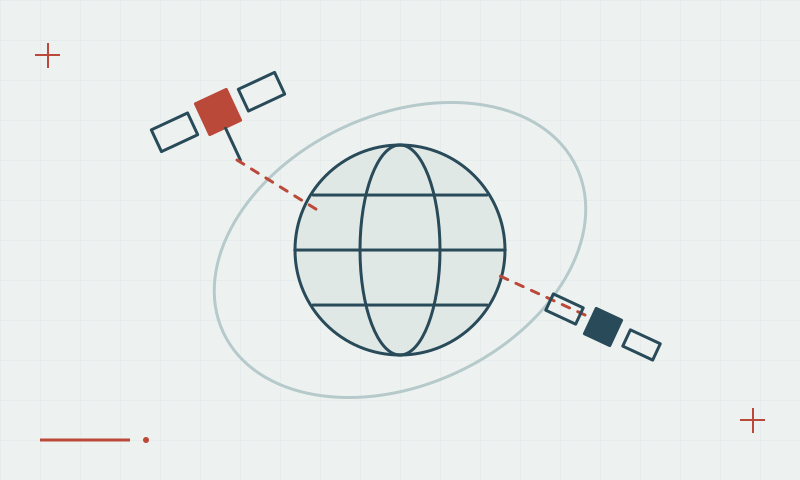
RTK relies on a reference station or reference network and carrier-phase ambiguity processing. PPP uses precise satellite orbit and clock information together with appropriate measurement models. PPP performance and convergence depend on the service, signal support, processing method and observation environment. It is not simply RTK without a base.
Continue learning How RTK GNSS turns observations into precise positions
Check service assumptions before choosing
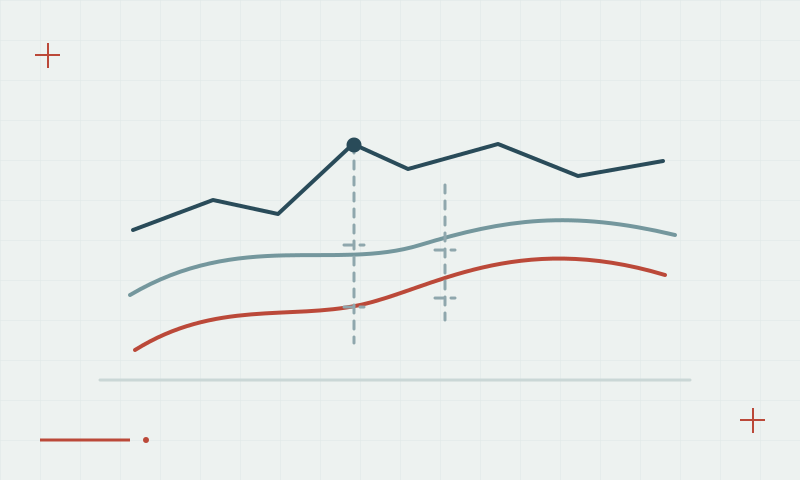
Compare convergence behavior, interruption recovery, reference frame and regional availability with the needs of the job. A receiver listing a PPP-related service does not prove it is active in every region or firmware version. Confirm supported services and validate a known point before production measurements.
Continue learning RTK vs PPK: choosing when to process corrections
Practical checklist
- Check service coverage and current receiver support.
- Review convergence and recovery requirements.
- Verify the output frame against project control.
Plan your GNSS setup
Compare the EQ10 and EQ20 receiver specifications, then discuss the configuration and support your project needs.
Compare GNSS receivers