Code and carrier phase: two GNSS measurements
Code measurements provide a range estimate; carrier phase enables precise relative positioning when its ambiguities are resolved.
Different measurements serve different jobs
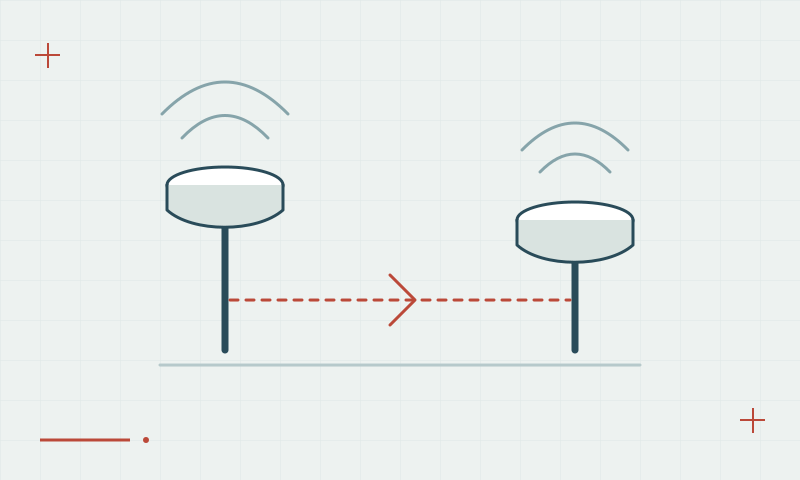
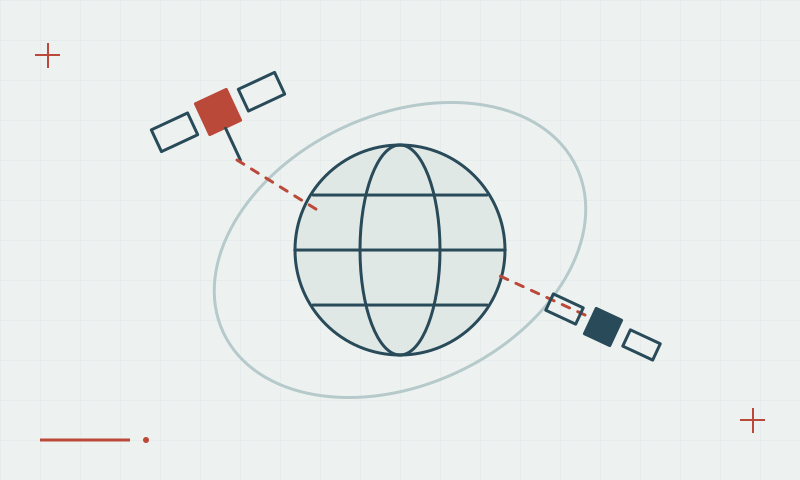
GNSS receivers can compare a received code with a local replica to estimate signal travel time. Carrier-phase measurements track the signal wave more precisely but include an unknown whole-cycle ambiguity. Precise techniques such as RTK use additional observations and processing to resolve those ambiguities.
Continue learning How RTK GNSS turns observations into precise positions
Continuity matters for precise positioning
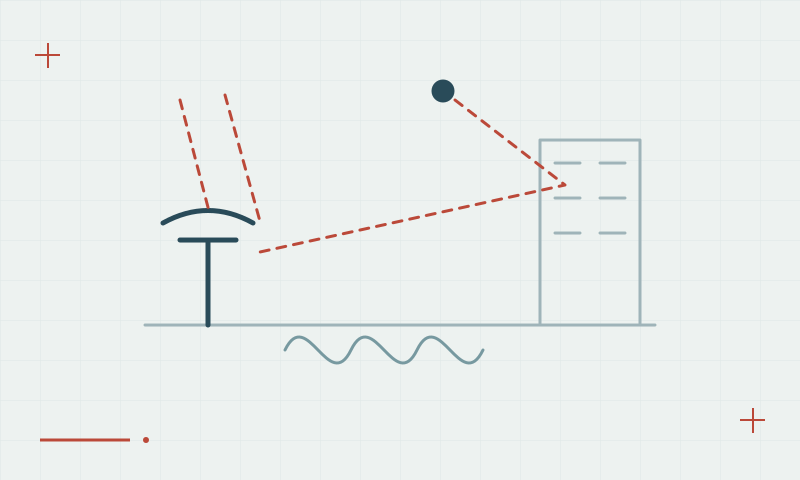
Blocking a signal can interrupt phase tracking and force the solution to resolve ambiguities again. A smooth coordinate display is therefore not enough to judge reliability. Check the solution status, correction link and independent control observations before accepting a point that requires precise positioning.
Continue learning RTK Fixed vs Float: what the status means
Practical checklist
- Identify whether the workflow uses code or carrier phase.
- Watch for tracking interruptions and solution changes.
- Check important points against independent control.
Plan your GNSS setup
Compare the EQ10 and EQ20 receiver specifications, then discuss the configuration and support your project needs.
Compare GNSS receivers