RINEX: what a receiver-independent GNSS file contains
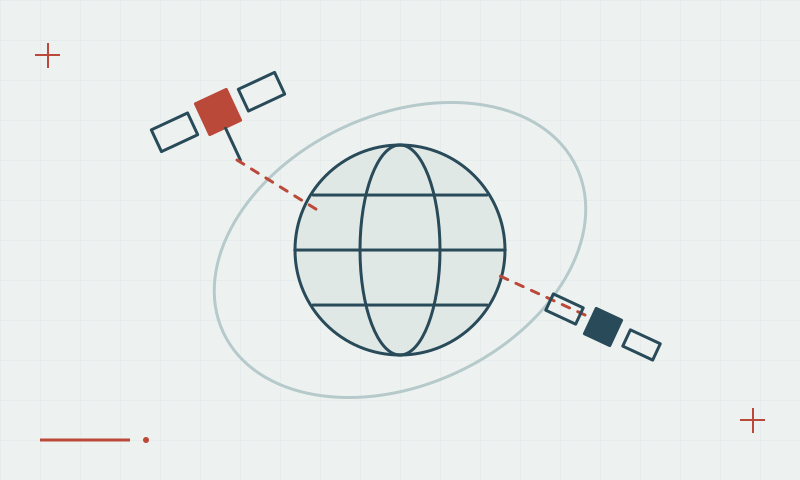
RINEX exchanges GNSS observations and navigation information; it is not simply a list of final survey coordinates.
Observation data needs descriptive metadata
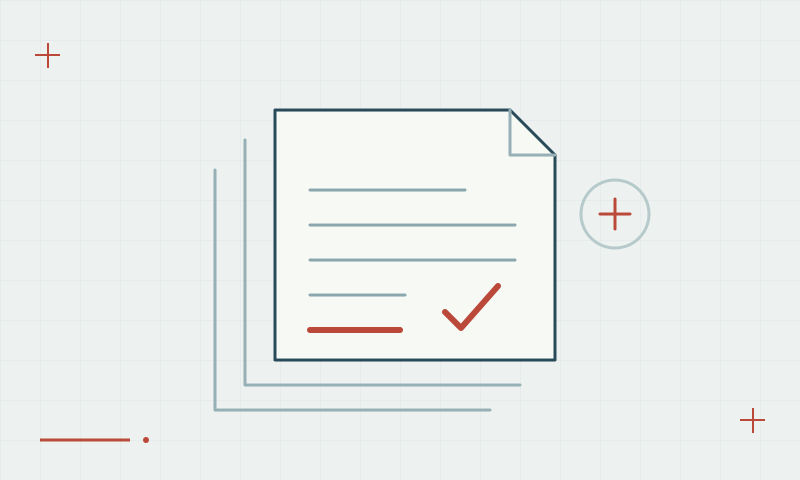
RINEX provides a structured way to exchange receiver observations and related information. File types and supported observables depend on the RINEX version. Antenna, receiver, time and station metadata help processing software interpret those observations, so a file that opens successfully can still contain incomplete setup information.
Continue learning Code and carrier phase: two GNSS measurements
Check compatibility before the survey
Confirm which version the receiver exports and which the processing software accepts. Inspect observation times, antenna details, file completeness and the required reference data. Preserve the original receiver files where available, because converting to RINEX does not by itself repair missing epochs or incorrect field metadata.
Continue learning Cycle slips: what interrupted phase tracking can change
Practical checklist
- Check exporter and processor version compatibility.
- Inspect station, antenna and observation-time metadata.
- Preserve original files and verify observation completeness.
Plan your GNSS setup
Compare the EQ10 and EQ20 receiver specifications, then discuss the configuration and support your project needs.
Compare GNSS receivers