A GNSS crew handover that preserves the measurement state
Transfer equipment condition, approved settings and unresolved observations so the next crew can continue with a known starting point.
Handover is more than returning equipment
A GNSS handover transfers responsibility for a measurement workflow. The next crew needs to know which equipment was used, which configuration was approved, what work is accepted and what remains unresolved. A case containing a charged receiver does not provide that context. Treat the handover as a short, structured explanation of the current project state rather than a casual conversation that depends on both crews remembering the same details.
Begin with the work completed and the planned next task. Identify work zones, setup dates and any changes from the original plan. Explain whether the next crew will reuse a base mark, establish a new setup or continue with a correction service. This overview helps the receiving operator ask relevant questions before focusing on individual settings or packing details that may otherwise obscure the measurement decisions.
Continue learning GNSS data handover: what to include with the final coordinates
Transfer the approved configuration
Provide the active job template, coordinate reference information, control revision and feature dictionary. Identify the approved correction source and any tested alternative. Keep credentials in the authorized private channel rather than a broadly shared handover note. The technical record should be complete enough to recognize the intended configuration without exposing passwords or unrelated account information.
Explain settings that are easy to misinterpret: units, height type, antenna measurement convention and local transformation. Confirm that the receiving crew can locate the source records, not only a copied controller job. If the job contains provisional control or experimental settings, separate them visibly from the approved production configuration. A handover should reduce ambiguity rather than passing several similarly named presets to someone who did not witness their creation.
Continue learning A practical GNSS rover reconnection procedure
Inspect the physical equipment together
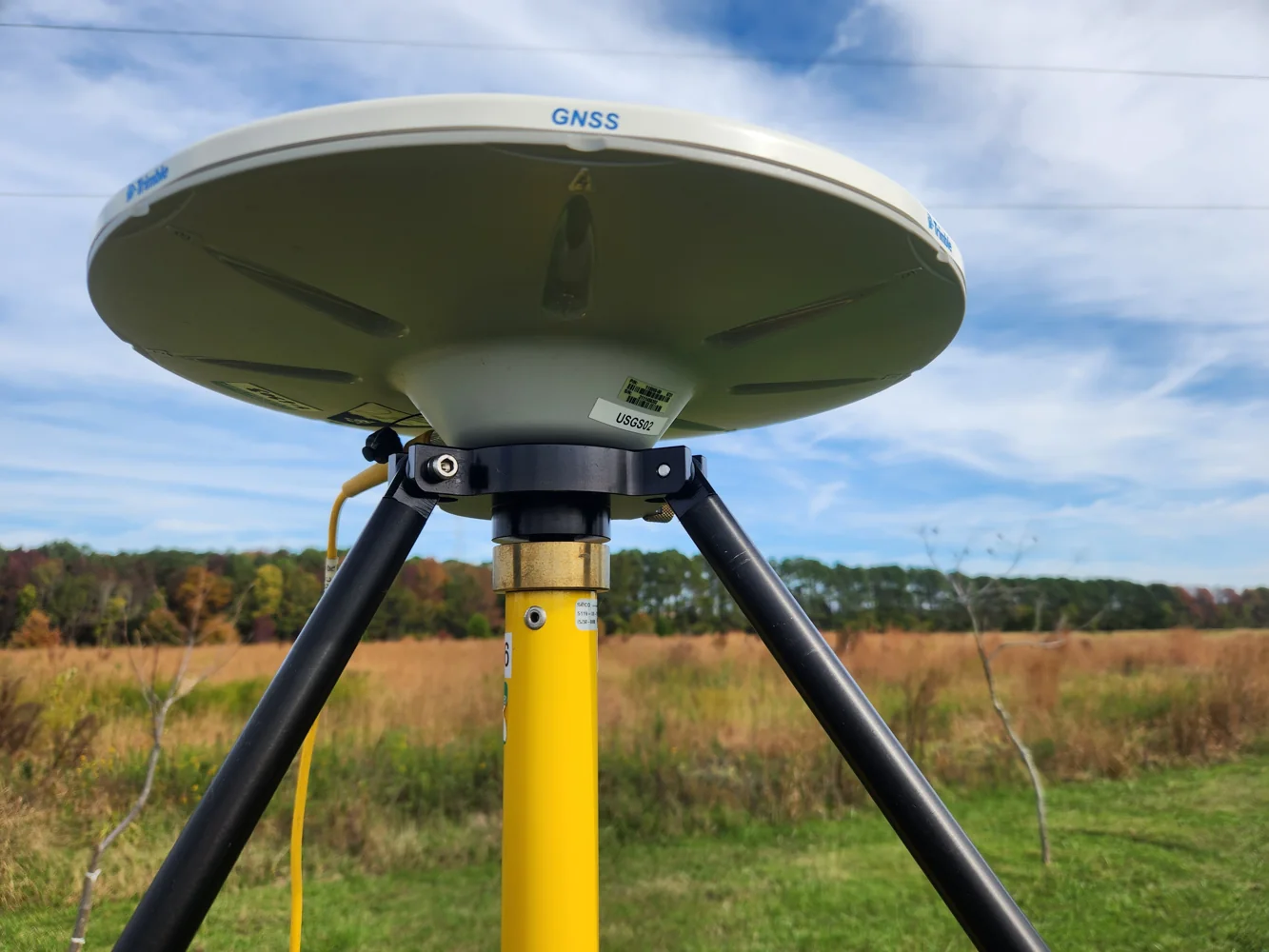
Identify receivers, controllers, poles, tips, adapters and support equipment. Report damage, repairs and component substitutions. Check the assembled pole height convention and bubble condition where relevant. A spare component may fit mechanically while changing the antenna geometry, so explain approved combinations. Link the equipment record to identifiers rather than descriptions such as the newer pole or the blue case.
Review batteries, chargers, cables and storage capacity. A missing cable or unreliable connector can cause an interruption that the next crew might misdiagnose as a receiver or service problem. Label suspect equipment and state any restriction on its use. Do not return an unresolved item to the normal kit without a note simply because it worked intermittently during the previous session. The receiving crew needs an honest operational starting point.
Continue learning Practical GNSS training exercises for survey crews
Explain the reference setup history
For each active base mark, provide its recovery information, coordinate source and setup records. Include antenna height methods, dates and any physical disturbances. If a temporary mark is no longer reliable or should not be reused, say so explicitly. A familiar location on a map should not encourage the next crew to occupy a superseded reference whose coordinate or stability is uncertain.
If several base zones or correction sources were used, explain their boundaries and the checks connecting them. Point to the overlap observations and acceptance decisions. This prevents the next crew from assuming that every existing file shares one reference arrangement. A handover is a good moment to expose a hidden distinction that may have been obvious to the original operator but is invisible in a merged coordinate export.
Continue learning Completing a GNSS project handover that others can use
Identify accepted and unresolved observations
Provide a clear status for each work package: accepted, awaiting processing, requiring review or scheduled for remeasurement. Keep those states separate in the file structure or index. A raw file awaiting office work should not be presented as a finished survey simply because collection is complete. Likewise, a rejected observation should remain traceable without appearing in the approved deliverable as though it passed the checks.
Explain outstanding discrepancies and the evidence already examined. Include point identifiers, event times and proposed next actions. Avoid handing over only a vague warning that one area looked strange. The next crew should know which observations are affected and what would resolve the issue. If the cause is unknown, preserve that uncertainty rather than turning a tentative explanation into an established fact during the conversation.
Continue learning GNSS data handover: what to include with the final coordinates
Reconcile data and backups
Confirm that original observations, setup records, photographs and exports have been copied to the approved project location. Show the receiving crew the archive structure and the latest manifest. Verify that important files can be opened and that links to supporting information work. A message saying everything is on the laptop is not an adequate transfer if no one knows which folder contains the approved version.
Record what remains only on a device and arrange its transfer according to the project policy. Do not format storage or delete local files merely to prepare equipment for the next crew until the required copies are verified and the retention procedure permits it. The handover should leave a clear record of data custody and status, especially when equipment is about to move to another project or operator.
Continue learning A practical GNSS rover reconnection procedure
Perform a practical receiving check
Have the receiving operator open the job, identify the intended source and explain the antenna height entry. Where practical, assemble the system and verify a known point before production resumes. This short demonstration tests whether the instructions were understood and whether the equipment still behaves as expected. It is more informative than asking only whether the next crew has any questions after a long verbal explanation.
If the receiving check reveals a mismatch, preserve the original state and resolve it before changing several settings at once. Record the correction and update the handover note. The purpose is a known starting point for the next session, not a signature obtained regardless of unresolved issues. A clear exception can be acceptable when the project has an approved action plan; an unexplained assumption is much harder to manage.
Continue learning Practical GNSS training exercises for survey crews
Keep the handover concise and durable
Use a short form with links to detailed records rather than duplicating every survey note. Include date, outgoing and receiving roles, equipment identifiers, active configuration, data status and unresolved actions. Store it with the campaign archive so later reviewers can see when responsibility and configuration changed. The record should remain useful even if the people involved are unavailable months later.
For example, a handover after a pole tip replacement should identify the new component, verified height relationship and the observations collected before the change. That specific note prevents a small maintenance event from becoming a hidden coordinate question. A successful crew handover preserves the measurement state: the next team knows what it has, what it may trust, what it must check and what evidence supports those decisions.
List who will resolve each outstanding action and where the result will be recorded. An issue described clearly can still remain unresolved if both crews assume the other will handle it. A named project role and a specific evidence location make follow up practical without requiring a lengthy additional report or another verbal handover.
Continue learning Completing a GNSS project handover that others can use
Practical checklist
- Transfer approved configuration and reference history.
- Inspect equipment changes and unresolved faults together.
- Separate accepted work from observations awaiting review or processing.
Plan your GNSS setup
Compare the EQ10 and EQ20 receiver specifications, then discuss the configuration and support your project needs.
Compare GNSS receivers